

Western Astrology Guide
Western astrology is a divinatory system that reads meaning from a horoscope drawn up for one precise moment and place. It grew out of Hellenistic practice more than 2,000 years old and works with the tropical zodiac, which takes its bearings from the seasons and the vernal equinox. Astrologers use it to chart where the planets and other celestial bodies stand, and to interpret what that says about personality and the events of a life.
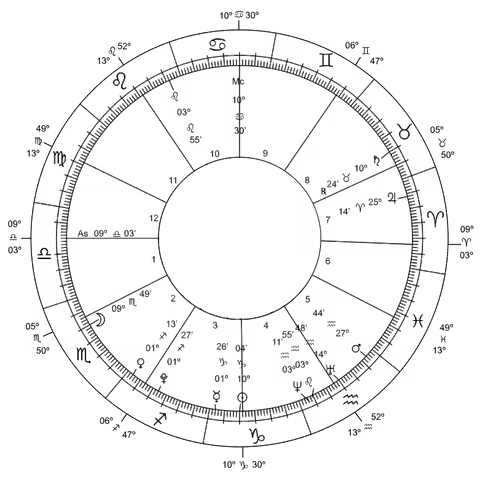
Your birth chart, also called the natal chart, captures the sky as it looked from your birthplace at the moment you arrived. Four building blocks make it up: zodiac signs, planets, houses and aspects. Read together, they sketch a detailed picture of who you are, where you shine, what you struggle with and the path your life tends to take.
Zodiac Signs
12 Signs
From Aries through to Pisces, the tropical zodiac has 12 signs, and each one stands for its own archetype of human experience.
Explore Zodiac Signs →Planets
10 Planets
Your chart holds 10 celestial bodies, starting with the Sun and Moon and reaching all the way to the transpersonal outer planets.
Explore Planets →Houses
12 Houses
Your chart is split into 12 houses, each covering an area of life, from self and money through to career and the spiritual side.
Explore Houses →Aspects
7 Aspects
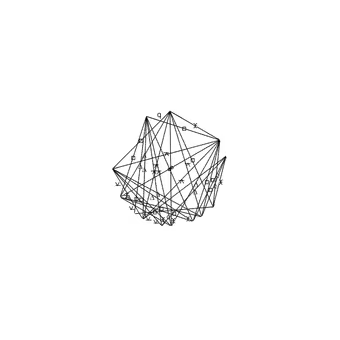
These are the angles planets form with one another, showing how the various sides of your personality affect each other.
Explore Aspects →Core Principles of Western Astrology
The Tropical Zodiac
In Western astrology, Aries begins at the vernal equinox, which falls around March 20-21, because the system follows the tropical zodiac. So the signs are linked to Earth's seasons, not to where the constellations actually sit in the sky. Since the seasons come round in the same order every year, this gives you a steady, season-based frame for reading a chart.
The Birth Chart
Your natal chart is a round map of the heavens drawn for the precise time and place you were born. On it, the Sun, Moon and planets are placed within the 12 zodiac signs and the 12 houses. Add the Ascendant (your rising sign), the Midheaven and the web of aspects between planets, and no two charts come out the same.
Planetary Rulerships
Every sign has a ruling planet whose energy suits it most naturally. The traditional scheme works only with the seven planets visible to the eye, while the modern scheme gives Aquarius to Uranus, Pisces to Neptune and Scorpio to Pluto. Plenty of astrologers draw on both to add layers to a reading.
Western vs. Vedic Astrology
| Feature | Western | Vedic (Jyotish) |
|---|---|---|
| Zodiac | Tropical (season-based) | Sidereal (constellation-based) |
| Primary Focus | Psychological growth and self-awareness | Karma, destiny, and predictive timing |
| Planets Used | 10 (includes Uranus, Neptune, Pluto) | 9 Navagraha (includes Rahu and Ketu) |
| Sign Offset | N/A | ~24° (Ayanamsha) |
| House System | Placidus, Whole Sign, Equal | Whole Sign (primarily) |
| Timing System | Transits, progressions, solar returns | Dasha system, transits (Gochar) |
Neither system is the wrong one, and each fills gaps the other leaves. Western astrology leans towards understanding your own psychology and growing as a person, whereas Vedic astrology puts more weight on karmic patterns and exact predictive timing. Many astrologers today learn both so they can see the fuller picture. For the Jyotish view, read about the Vedic zodiac signs, the Navagraha planets and the Vedic houses.
Your Own Chart Reading
Keen to look at your own birth chart? An AI chat reading that walks through your planet placements, houses and aspects is planned for Astro GPT but is not live yet. Until then, the free guides here help you make sense of these factors yourself.
Begin your journey with Astro GPT.
Ask your first question and see what your kundli says about the road ahead.