

KP vs Traditional Vedic
Where the two systems part ways and where they meet
Overview
KP and classical Vedic astrology stand on the same base but take different routes. Each works with the same nine planets, twelve signs, twenty-seven nakshatras and the Vimshottari dasha. They separate on how houses are measured, on what settles an outcome and on the choice of ayanamsa. Put simply, the traditional approach paints the wide sweep of a life, while KP narrows in on a single question at a time and tries to leave as little room for doubt as it can.
Shared roots
If you know Vedic astrology, you already know most of what KP uses. The planets and their nature, the signs, the nakshatras with their lords, and the Vimshottari dasha used to time events all come across as they are. On top of that common base, KP adds a more exact way of reading.
Where the paths divide
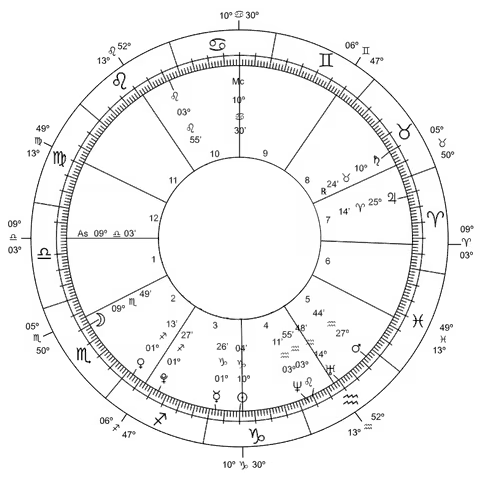
Classical Vedic astrology usually counts one full sign as one house and looks at a matter through several planets together, which gives a rich, descriptive picture. KP instead fixes every house by its precise cusp degree with the Placidus method and hands the final verdict to the cuspal sub-lord. It also uses the Krishnamurti ayanamsa, so its degrees may be a little different from those in a chart cast on Lahiri. What you get is a method that gives up part of the wide story in exchange for a tighter answer to a clear question.
Two approaches to timing
Each school uses the Vimshottari dasha to time events, though each fine-tunes it in its own way. Classical Vedic astrology relies on transits (gochara) and divisional charts to back up a period, reading everything as one whole. KP passes the dasha through the significators and the ruling planets of the moment, often down to the smaller sub-periods, to fix a narrow window. Having the dasha in common is a major reason Vedic astrologers find KP quick to learn.
Which system suits you
That comes down to what you are asking. To understand character, strengths and the general course of a life, classical Vedic astrology is the obvious choice. For a pointed question with a clear answer, like whether a deal will go through or when a wedding will take place, the KP sub-lord method is more exact. Plenty of astrologers use both, taking the overview from the Vedic chart and the precise answer from KP.
Questions people often ask
- Is KP superior to traditional Vedic astrology?
- One is not simply superior to the other; each has a different job. KP shines at exact yes-or-no questions and at timing, while classical Vedic astrology paints a fuller portrait of character and the direction of a life.
- Could one chart show different houses in KP and in Vedic?
- Yes. Since KP works with Placidus cusps and a slightly different ayanamsa, a planet sitting close to a house boundary may land in one house in one system and in another house in the other.
- Is the dasha the same in KP and Vedic?
- Yes. Each depends on the Vimshottari dasha for timing, and that is one reason Vedic astrologers pick up KP fast.
- Can KP and Vedic be used side by side?
- Lots of astrologers do just that. They take the overall picture from classical Vedic methods and then turn to the KP cuspal sub-lord and ruling planets to settle whether and when a particular event will happen.
Ask our AI astrologer about KP
Looking for a straight answer to a question? Our AI astrologer can explain KP ideas such as sub-lords and significators and relate them to your own chart, which it reads on the Lahiri ayanamsa.
Chat with AI AstrologerBegin your journey with Astro GPT.
Ask your first question and see what your kundli says about the road ahead.